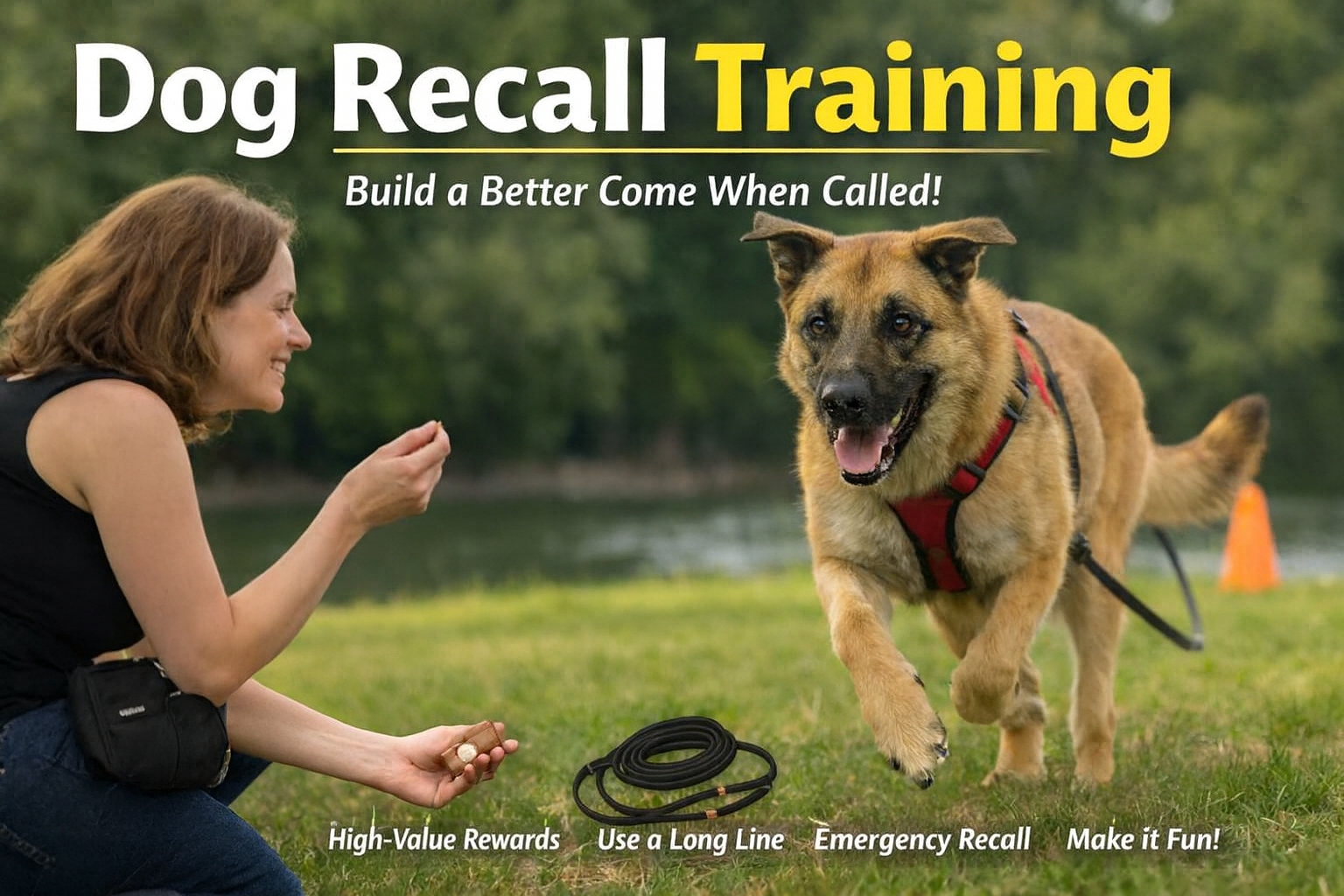
Dog Recall: The Biggest Mistakes (and How to Fix Them for Good)
Recall - getting your dog to come back when called—is one of the most important skills a dog can learn. It’s also one of the most commonly misunderstood and poorly trained behaviours. A solid recall can literally save your dog’s life, yet many owners struggle with it for years.
The good news? Most recall problems aren’t about stubborn dogs. They’re about common human mistakes and those mistakes are very fixable.
Let’s break down the biggest recall errors and the best techniques to correct them.
Why Recall Is So Hard
From your dog’s perspective, recall is a trade:
You are asking them to stop doing something fun
They have to choose you over smells, dogs, squirrels, freedom, and excitement
If coming back isn’t consistently rewarding, your dog will make the perfectly logical choice to ignore you.
The Most Common Recall Mistakes
1. Calling Your Dog Only When Fun Is About to End
If “come” always means:
leash on
park is over
bath time
nail trims
Your dog learns that recall predicts disappointment.
How to fix it:
Call your dog randomly, reward them, and then let them go back to what they were doing. This teaches:
Coming to you doesn’t end my fun - it pays well.
2. Repeating the Cue Over and Over
“Come… come… COME… COME ON!”
Each repetition teaches your dog that the first few calls don’t matter. You’re accidentally training them to wait you out.
How to fix it:
Say the cue once. If your dog doesn’t respond:
move closer
use a long line
increase rewards
lower distractions
Make the cue meaningful again.
3. Punishing Your Dog After They Come Back
If your dog finally returns and you:
scold them
leash them roughly
sound angry
They don’t think, “I was late.”
They think, “Coming back is unsafe.”
How to fix it:
No matter how long it took, reward the recall. You can manage behaviour later, but never punish the act of returning.
4. Expecting Recall to Work Without Practice
Recall doesn’t magically improve with age. It’s a skill that must be trained intentionally—just like sit or stay.
Many owners jump straight to:
off-leash parks
open trails
high distractions
before the behaviour is ready.
How to fix it:
Train recall in layers:
1. Indoors
2. Backyard
3. Quiet outdoor spaces
4. Increasing distractions
Success builds confidence - for both of you.
5. Using the Dog’s Name as the Recall Cue
Your dog’s name often means:
“look at me”
“stop that”
“you’re in trouble”
So when you shout their name, it doesn’t clearly mean “run to me fast.”
How to fix it:
Use a specific recall cue:
“Come”
“Here”
a whistle
Your dog’s name should just mean attention, not action.
The Best Recall Techniques That Actually Work
1. Make Yourself More Rewarding Than the Environment
If a squirrel is more exciting than you, that’s a training issue—not a personality flaw.
Use:
praise and play
high-value treats
favourite toys
Pay your dog better than the world does.
2. Use a Long Line (Not Blind Trust)
A 5-10m long line gives your dog freedom and keeps recall training safe.
It allows you to:
prevent rehearsing ignoring you
gently guide them back if needed
build reliability before off-leash work
Long lines are training tools, not failures.
3. Practice “Emergency Recalls”
An emergency recall is a special cue that means:
“Drop everything and sprint to me.”
Train it with:
insanely high rewards
short, rare practice sessions
zero punishment, ever
This cue is for real danger situations - not daily use.
4. Reward Speed, Not Just Compliance
Many dogs learn to stroll back slowly because speed was never reinforced.
How to fix it:
Reward faster responses more heavily.
Jackpot treats for:
quick turns
enthusiastic runs
full-speed returns
You get what you reinforce.
5. Release After the Recall
After your dog comes to you:
reward
then say “go play” or “free”
This teaches that recall doesn’t equal confinement — it equals connection.
Final Thoughts: Recall Is Built on Trust
A great recall isn’t about control, it’s about your dog believing:
you’re safe
you’re rewarding
you’re worth coming back to
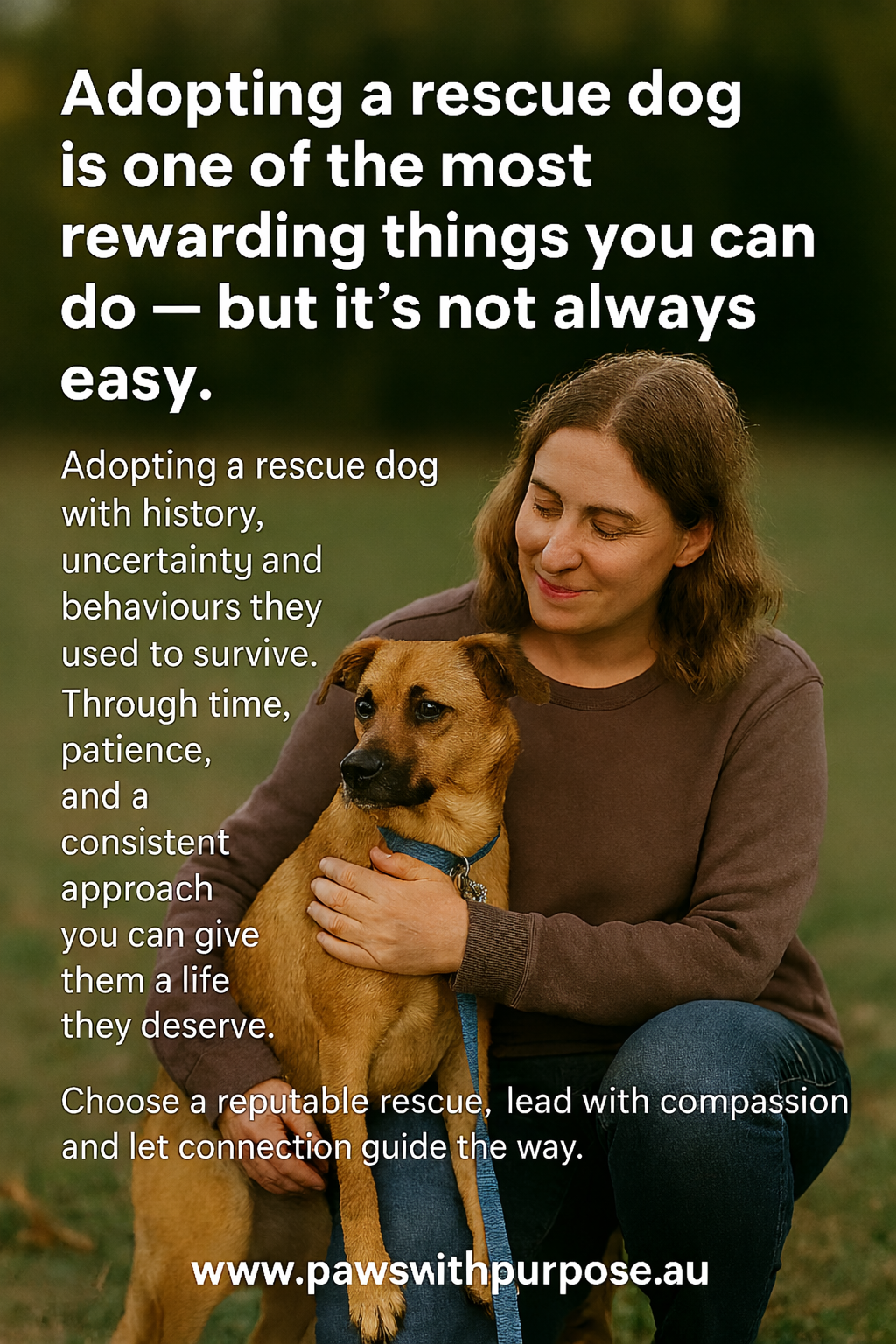
Why Adopting From a Reputable Rescue Centre Matters — And Why It’s So Rewarding
Adopting a rescue dog is one of the most rewarding things you can do — but it’s not always easy.
Rescue dogs often come with history, uncertainty, and behaviours that once kept them safe. That can feel overwhelming at first. But with patience, understanding, and the right approach, the transformation is incredible.
As a dog trainer, I don’t focus on perfect obedience. I focus on connection. That connection is what helps me read my dog’s body language, anticipate her reactions, and support her before she becomes overwhelmed. She’s not perfect — and she doesn’t need to be. With time and consistent work, she now has more freedom and makes better choices than she ever could when she first arrived.
Rescue dogs may come with challenges, but they also come with so much heart. With the right guidance, you can give them the life they deserve and enjoy every moment of the journey together.
If you’re thinking about adopting — choose a reputable rescue, lead with compassion, and let connection guide the way.
Adopting a dog from a reputable rescue centre is one of the most meaningful decisions you can make. It changes a dog’s life, absolutely — but it also changes yours. It’s deeply rewarding, full of joy, connection, and purpose. But it’s also honest work. Rescue dogs often arrive with stories we’ll never fully know, and that can make the journey challenging, overwhelming, and at times confronting.
And yet, I wouldn’t trade it for anything.
The Reality Behind the Reward
When people imagine adopting a rescue dog, they often picture the “after” moment — the happy dog, the grateful eyes, the perfect match. But the truth is, the “before” and “during” matter just as much. Rescue dogs may come with fear, uncertainty, learned behaviours, or coping strategies that once kept them safe but no longer serve them.
This doesn’t make them “bad dogs.” It makes them survivors.
And with the right support, they can become the most loyal, connected, and emotionally intelligent companions you’ll ever meet.
Why I Focus on Connection, Not Obedience
As a dog trainer, people often assume my own dog must be flawlessly obedient — a walking advertisement for perfect behaviour. But that’s not my goal. I don’t train for robotic responses or military precision. I train for connection.
Connection is what allows a dog to feel safe. Connection is what builds trust. Connection is what creates a relationship where learning can actually happen.
Obedience can be taught to any dog. Connection must be built with the dog.
My rescue girl is not perfect — and she doesn’t need to be. She still has her moments, her triggers, her quirks. But because of the relationship we’ve built, I can read her body language, anticipate her reactions, and support her before she becomes overwhelmed. My methods allow me to be proactive rather than reactive, which means she feels understood, protected, and empowered.
Progress Takes Time — But It’s Worth Every Second
When she first came home, her world was small. Her choices were limited because she didn’t yet have the skills or confidence to navigate the world safely. Through time, patience, and a lot of intentional work, she has grown into a dog who can enjoy more freedom, make better choices, and move through life with far more confidence than she once had.
This didn’t happen overnight. It happened through:
Understanding her signals
Meeting her needs before asking for behaviour
Setting her up for success
Celebrating progress, not perfection
Letting connection lead the way
And that’s the beauty of rescue dogs — their transformation is a shared journey.
Rescue Dogs Deserve a Training Approach That Respects Their Past
When you adopt a rescue dog, you may never know their full history. You may never know what shaped their fears, their habits, or their reactions. But you can give them a future built on safety, trust, and compassion.
My training methods are designed for exactly that. They help you:
Build a strong, secure relationship
Understand your dog’s emotional world
Support them through challenges
Reduce overwhelm and reactivity
Create an environment where they can thrive
With the right approach, you can give your rescue dog the life they deserve — one filled with connection, confidence, and joy.
The Reward Is in the Relationship
Adopting from a reputable rescue centre isn’t just about giving a dog a home. It’s about giving them a chance to rewrite their story. It’s about showing them that humans can be safe, predictable, and kind. It’s about learning together, growing together, and celebrating every small win along the way.
Your rescue dog may not be perfect. Mine isn’t either.
But they don’t need perfection — they need partnership.
And when you commit to that partnership, the reward is unlike anything else.
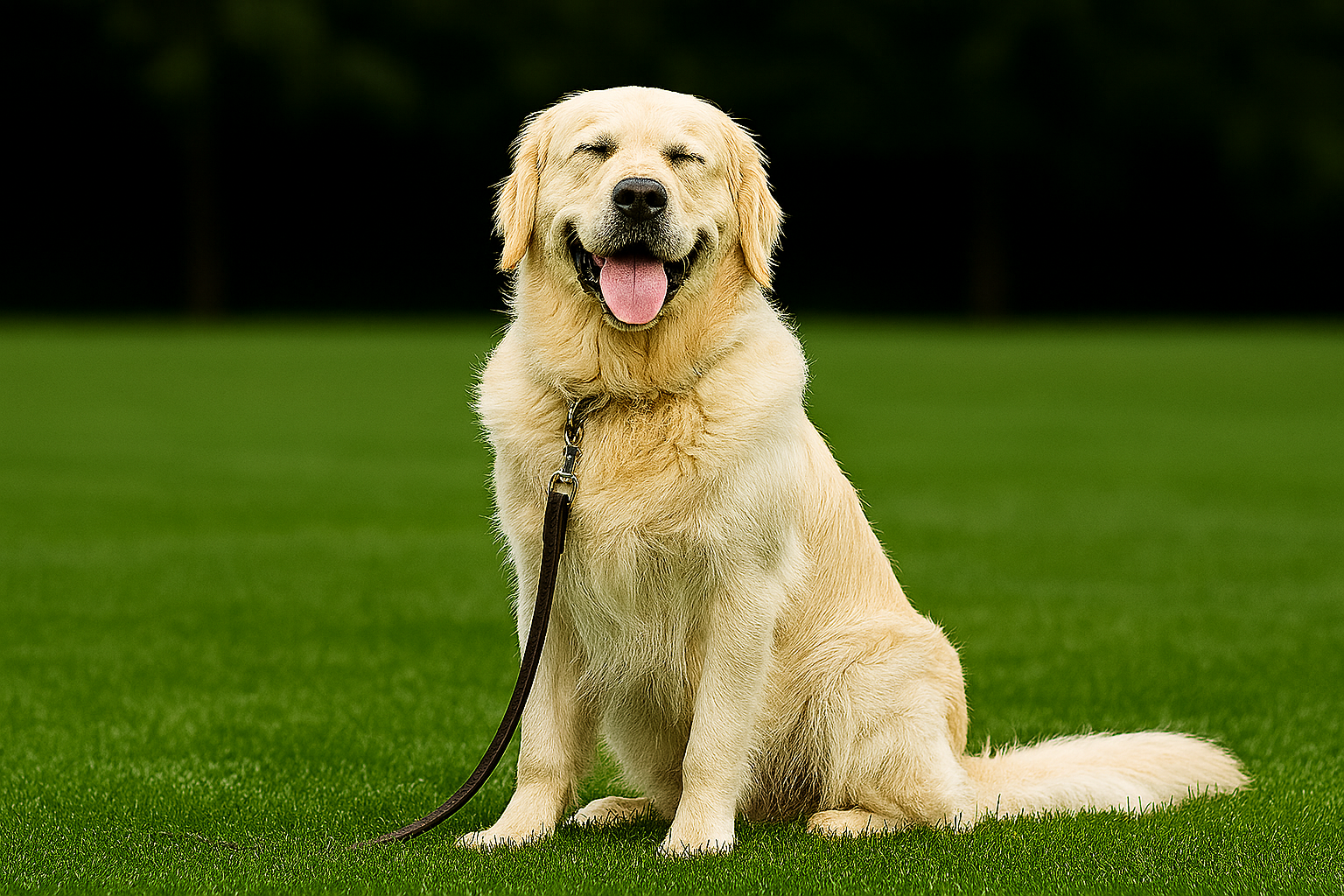
🐕🦺 Why boundaries matter more than treats
Why boundaries matter more than treats
Creating a Dog Who Listens Because They Understand, Not Because You’re Holding Food
Most dog owners are taught that treats are the key to good behaviour. And while food can absolutely help teach new skills, it’s not what creates a reliable, calm, well‑mannered dog in everyday life. The truth is simple: treats teach tricks — structure creates behaviour.
If you’ve been relying on food and still struggling with pulling, jumping, barking, or reactivity, you’re not alone. Many owners come to me after trying treat‑only methods that worked in class but fell apart the moment real‑world distractions appeared.
Let’s break down why structure matters more than treats — and why your dog is craving clarity, not constant snacks.
✅ What “Structure” Actually Means in Dog Training
When I talk about structure, I’m not talking about harshness or dominance. I’m talking about clarity.
Structure is:
Predictable routines
Clear rules and boundaries
Consistent follow‑through
Calm leadership
Accountability for behaviour
A dog who knows what’s expected of them
Dogs thrive when life makes sense. When the rules change depending on the owner’s mood, the environment, or whether treats are available, dogs become confused — and confused dogs misbehave.
✅ The Limitations of Treat‑Only Training
Treats are a great tool for teaching new behaviours, but they have real limitations:
1. Treats don’t stop unwanted behaviour
You can’t “treat away” jumping, barking, lunging, or pulling.
These behaviours require boundaries, not biscuits.
2. Food doesn’t override instinct
A dog in prey drive, fear, or frustration often won’t take food at all.
3. Dogs become dependent on the reward
If your dog only listens when you have treats, that’s not obedience — that’s a transaction.
4. Treat‑only training often fails in real‑world environments
Your dog might sit beautifully in your kitchen, but what about:
At the park
Around other dogs
When a skateboard flies past
When guests arrive
Real‑world reliability requires more than food motivation.
✅ Why Structure Changes Behaviour at the Root
Structure is what transforms a dog’s mindset, not just their tricks.
1. Structure builds impulse control
A dog who learns to wait at doors, hold a place command, or walk calmly on leash becomes a dog who can think before reacting.
2. Structure reduces anxiety
Predictability creates calmness. Many “anxious” dogs are actually overwhelmed by a lack of boundaries.
3. Structure teaches dogs how to behave without constant rewards
Your dog learns that good behaviour is the default, not something they perform only when food is present.
4. Structure creates respect and trust
When you lead consistently, your dog relaxes. They don’t have to guess what you want — they already know.
✅ Real‑World Example
A common case I see:
A dog who pulls like a freight train despite months of treat‑based loose‑leash training.
The owner has tried:
Stopping and starting
Luring with food
Rewarding every step
Changing treats
Changing harnesses
Nothing works.
Why?
Because the dog doesn’t need more motivation — they need boundaries.
Once we introduce structure:
Clear leash communication
Rules around walking position
Accountability for pulling
Calm, consistent guidance
The dog improves within minutes — not because they’re bribed, but because they finally understand the expectation.
✅ Where Treats Do Fit In
Balanced training isn’t anti‑treat. Food is incredibly useful for:
Teaching new skills
Building engagement
Rewarding effort
Making training fun
But treats are a tool, not the foundation.
Structure is what keeps the behaviour once the treat is gone.
✅ How Owners Can Start Adding Structure Today
Here are simple ways to bring more clarity into your dog’s life:
Set consistent rules for doorways, furniture, and food
Use play to build impulse control
Stop negotiating with your dog
Follow through every time you give a command
Practice calmness, not just excitement
Use training tools correctly and confidently if needed
Small changes in structure create big changes in behaviour.
✅ Final Thoughts
Treats can teach your dog what you want. Structure teaches your dog what you expect.
A dog who understands the rules, respects the boundaries, and trusts your leadership will always outperform a dog who only listens when food is involved.
If you’re ready to build a dog who listens anywhere — not just when you’re holding a treat pouch — structure is the path forward.